Scotland’s rainforest and communities benefit from £1.7 million funding
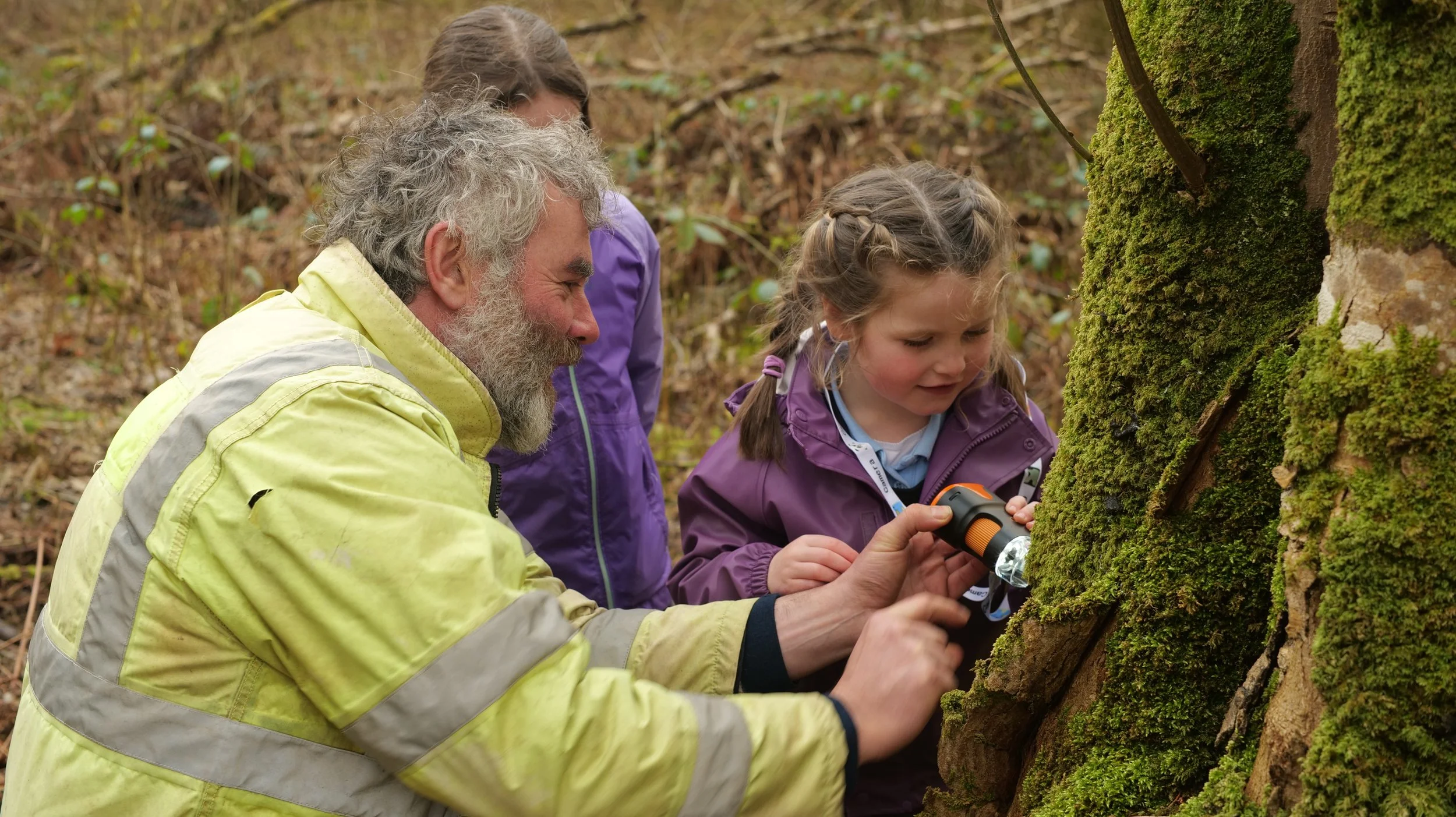
Community events on Morvern. Credit RSPB Scotland
Last year, 10 projects across the west of Scotland were awarded a share of £1.76m from the Scottish Government Rainforest Restoration Fund (RRF), managed by NatureScot.
These crucial funds were directed towards a range of activities, all aimed at helping to restore native woodland, support local jobs and strengthen the resilience of west coast communities living alongside Scotland’s temperate rainforest.
Why the funding matters
Scotland’s rainforest is a haven for rare ferns, mosses, liverworts and lichens, as well as a huge range of other wildlife. It provides rural employment through woodland management and tourism, acts as a carbon sink, and is an important cultural heritage link to the past. But it’s also under threat.
Rhododendron ponticum, an invasive non-native shrub, is spreading aggressively throughout the rainforest, smothering native plants and popping up in even remote locations. Meanwhile, unsustainable deer numbers are preventing natural regeneration of woodlands and threats are growing from wildfires, pollution and diseases like ash dieback.
With only 30,000 hectares of temperate rainforest left in Scotland, restoring and expanding these woodlands requires urgent, long-term, landscape-scale action.
To achieve this, the Alliance for Scotland’s Rainforest (ASR) has adopted Focus Projects, long-term partnerships that are delivering lasting benefits for Scotland’s rainforest and its communities. It is these projects that have benefited from the Rainforest Restoration Fund.
Here’s a closer look at what some of the funding paid for.
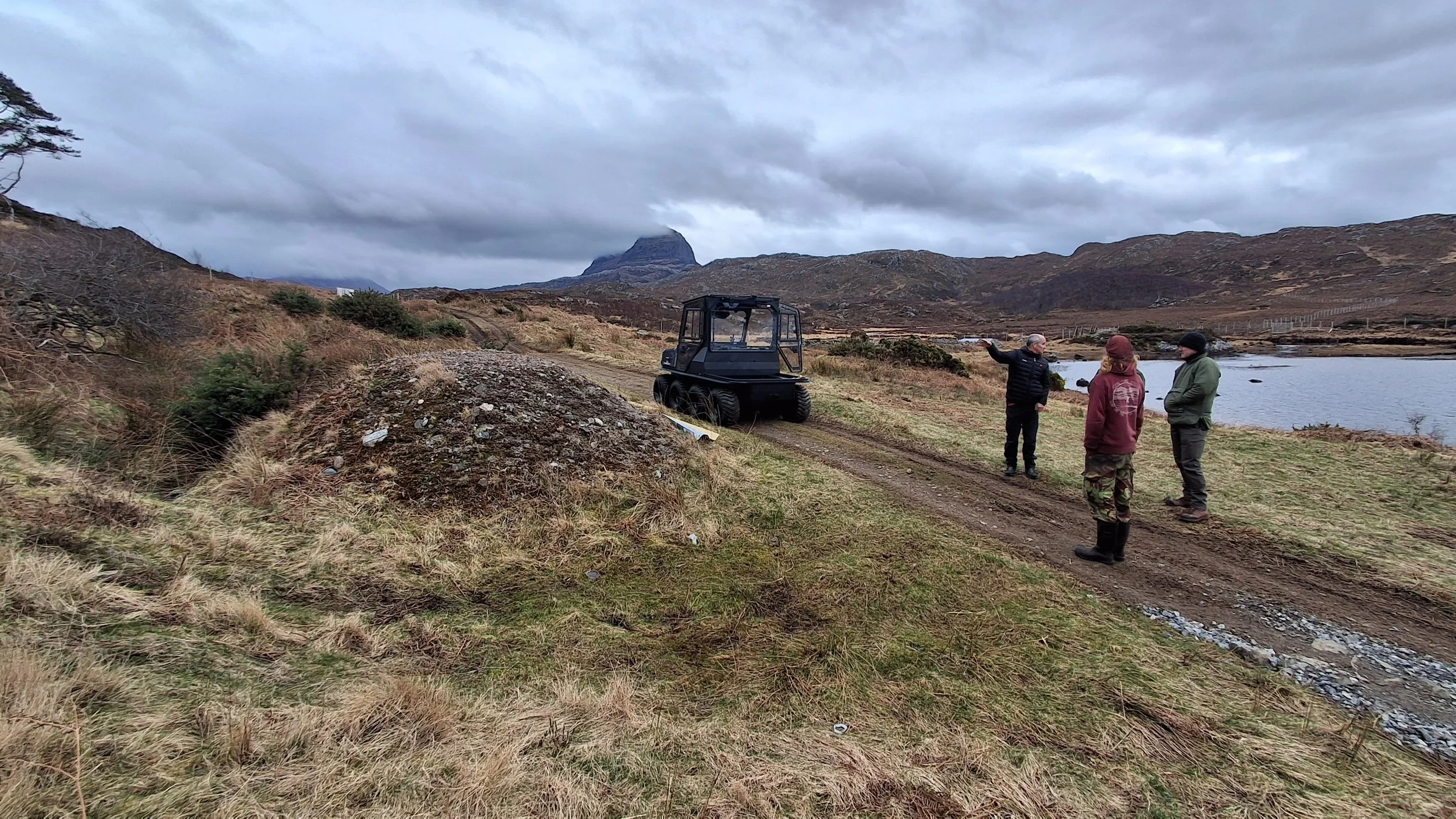
The funding helped support the purchase of an Argo all-terrain vehicle. Credit Woodland Trust Scotland
South Assynt Collaboration Project – managing deer and looking to the future
In South Assynt, the Rainforest Restoration Fund support helped partners make real progress on the practical work needed to restore rainforest habitats, while also engaging local communities.
Funding supported increased deer management, backed up by thermal imaging surveys to better understand where deer are impacting woodland regeneration. Part of a key estate track was upgraded, making it easier and more efficient to carry out deer management while also reducing damage to fragile peat soils.
The project also invested in local resilience and skills. An Argo all-terrain vehicle and wildfire response equipment were purchased, with training delivered to local contractors, community members and partners. These additions strengthened the project’s ability to respond to both everyday land management needs and the growing risk of wildfire.
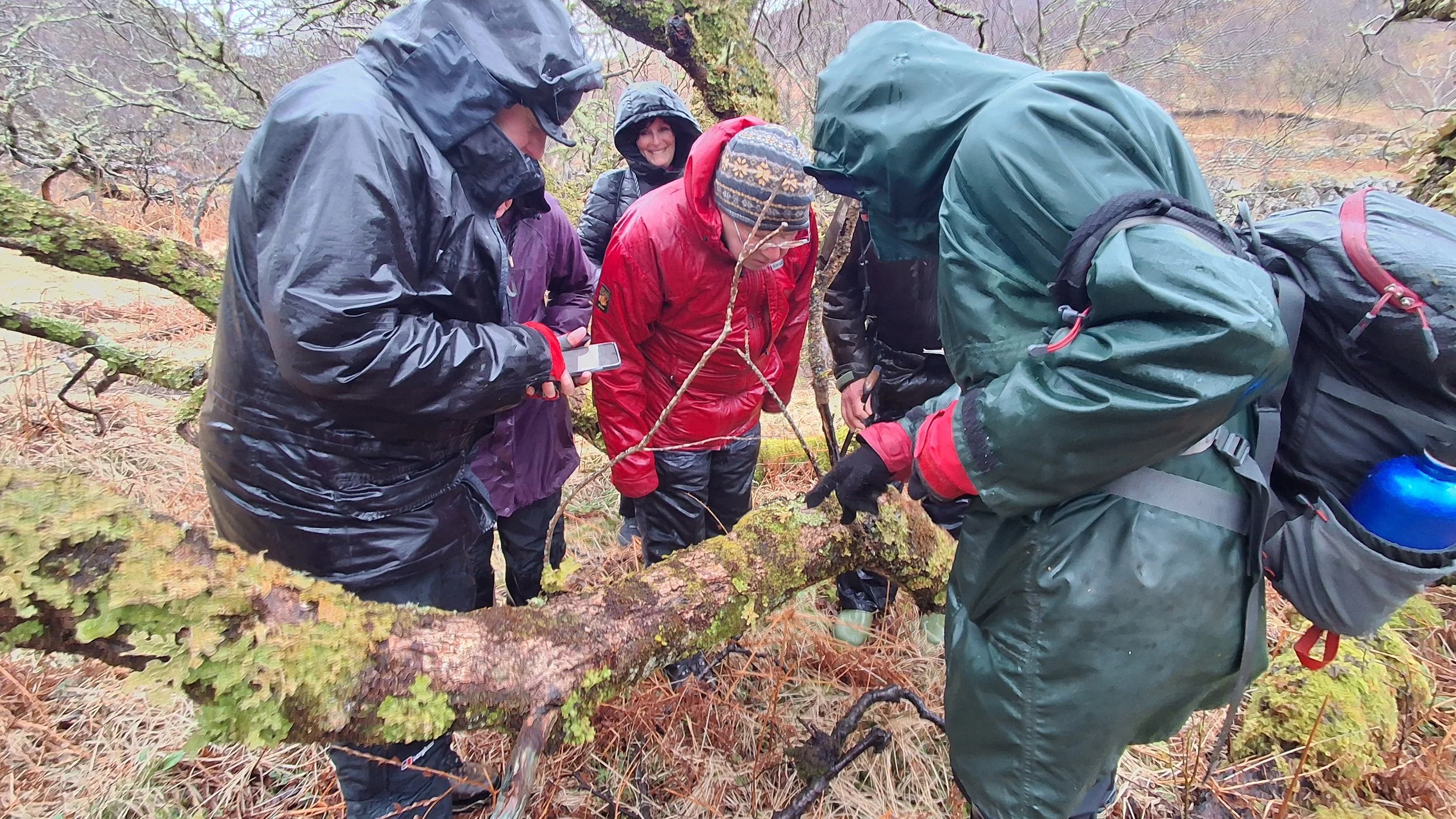

Alongside this practical work, community events played an important role. An open day at Glencanisp was well attended, while creative woodcarving workshops, rainforest talks and Rapid Rainforest Assessment training helped people connect with the area’s rare lichens and woodlands. A socioeconomic study was also commissioned to help guide future work and ensure local voices shape what happens next.
Saving Morvern’s Rainforest: sketches, surveys and sausages
In March, the RSPB Scotland’s Saving Morvern’s Rainforest team ran a series of community events, aimed at helping to build skills and start conversations about landscape-scale conservation efforts.
Two separate walks guided adults and children to discover the rare lichens, mosses and liverworts of the area’s hazelwoods, followed by indoor creative artwork sessions. The paintings created have since been displayed at the local community hub in Lochaline.
Further events focussed on sustainable deer management. Deer are a natural part of Morvern’s ecosystem, but high population levels are damaging sensitive habitats, and preventing young trees from regenerating, threatening the long-term survival of the rainforest. Building understanding and confidence in deer management and the use of wild venison as a sustainable local food, is crucial to the long-term restoration of Morvern’s rainforest.
Events included a day on the hill with land managers, a hands-on venison-sausage workshop, and a venison cooking demonstration followed by a three-course meal at a local restaurant.
The funding also helped the Morvern team to carry out drone surveys across the east of the peninsula. During these, they found extensive Rhododendron ponticum infestation, which will be tackled at a future date.
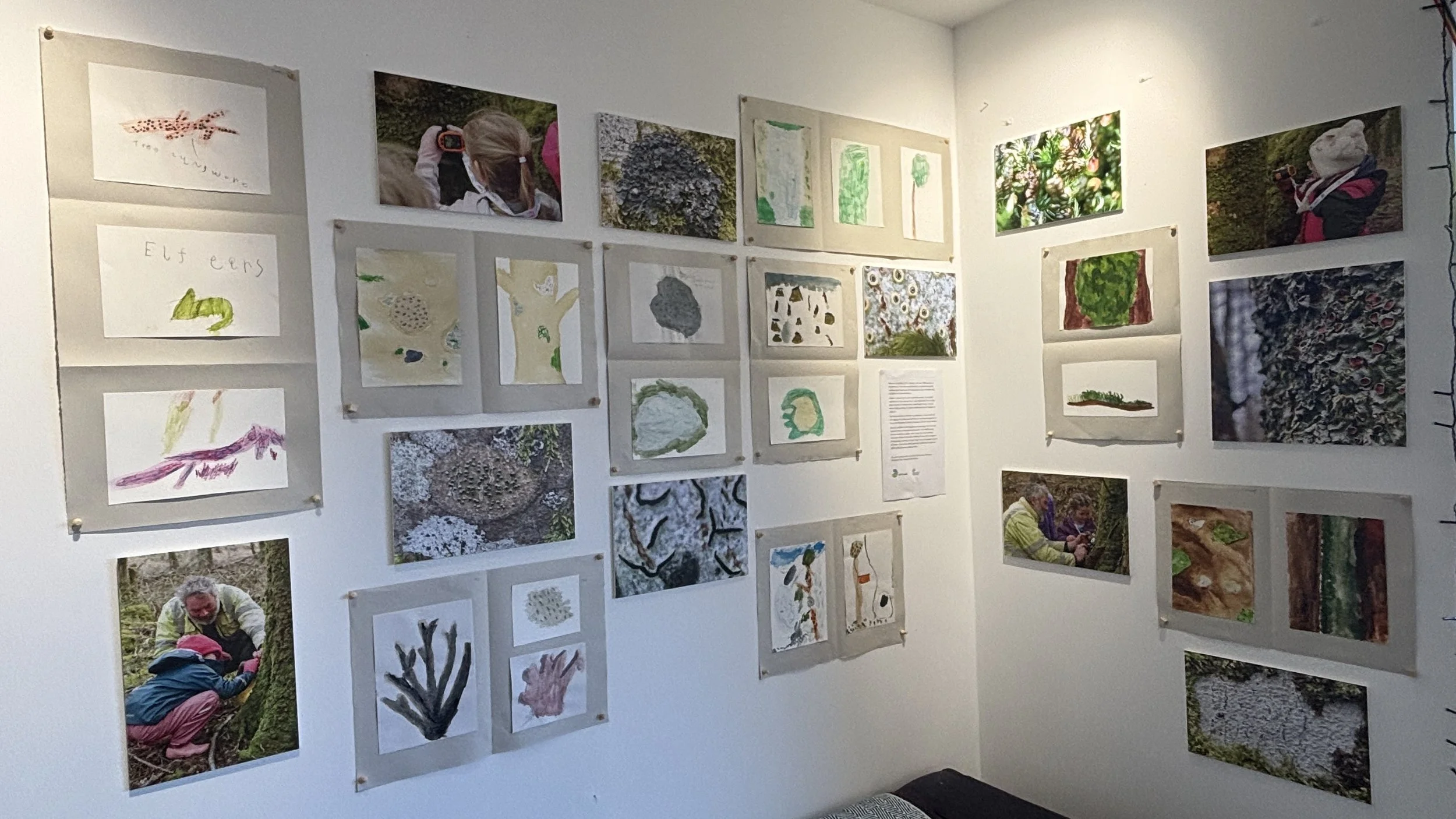
The display of paintings at the Lochaline Community Hub. Credit RSPB Scotland
Regenerating Craignish Rainforest Habitats – deer larders and drone surveys
On the Craignish peninsula, the Rainforest Restoration Fund support helped kickstart a long term effort, led by Native Woods Co-op and the Woodland Trust, to reconnect rainforest fragments and tackle some of the pressures affecting them.
A major focus of the project was invasive species control. Over the winter, locally employed teams cleared Rhododendron ponticum and Sitka spruce across more than 1,250 ha, using low pesticide methods designed to protect sensitive habitats and watercourses.
The funding also supported training and planning for the future. Five local people completed Deer Stalking Certificate Level 1 training, helping to build local capacity to reduce browsing pressure. A feasibility study explored options for a community deer larder, while drone surveys and workshops tested new ways of monitoring deer and mapping invasive species.
Community involvement ran throughout the project. A drop-in event created space for discussion and questions, and every pupil at Craignish Primary School took part in classroom learning and tree planting. Despite a tight delivery timeframe, the project delivered clear habitat gains while building skills and enthusiasm that will support rainforest recovery in years to come.
Sunart Rainforest Project – tackling INNS and supporting tree planting
In Sunart, funding supported a coordinated programme run by the Sunart Community Company.
Detailed habitat and herbivore impact surveys, alongside drone mapping and GIS analysis, have built a strong evidence base to guide future work, with thousands of invasive plants recorded and large areas of woodland assessed.
Practical delivery included the scaling up of deer management, supported by the use of technology to track activity and target effort. At the same time, extensive rhododendron control was carried out, tackling both dense infestations and more scattered plants across the landscape.
Alongside restoration work, investment has been made in long‑term capacity. A new growing facility has been established to support local propagation of trees and plants, while partners have worked across a complex mix of landownerships to build collaboration and a shared commitment to recovery. This has helped support coordinated planning at a landscape scale.
Community engagement has continued throughout the project, with strong local interest and participation from landowners and residents. As the initial phase of work concludes, the focus will now turn to securing longer‑term funding to ensure the progress made to date can be sustained and built upon.
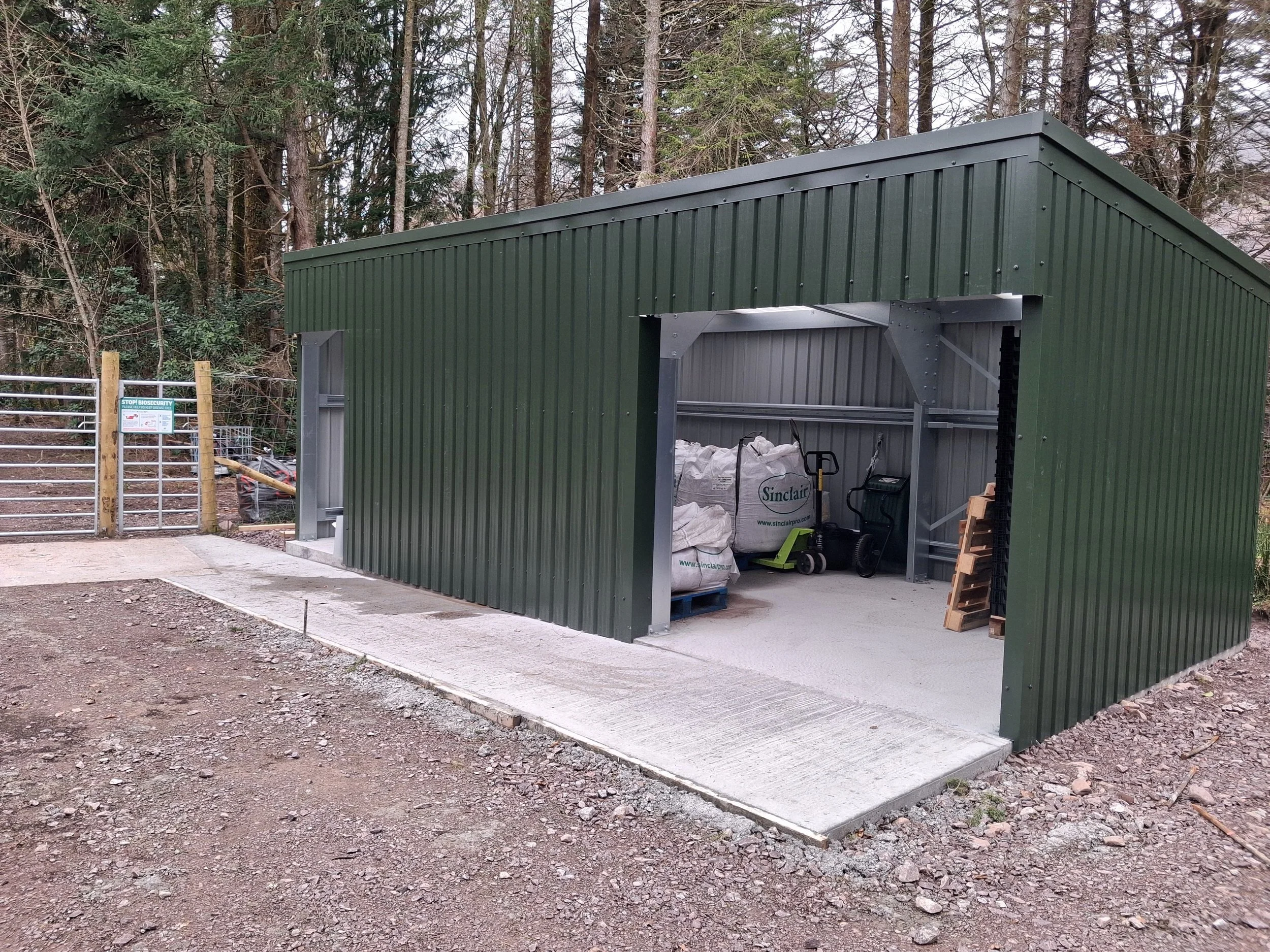
New biosecurity shelter at the Glen Torridon tree nursery. Credit Woodland Trust Scotland
Glen Torridon Partnership – getting access to tackle problem ponticum
In Glen Torridon, the Woodland Trust-led project brought five neighbouring estates together to work across their shared landscape, tackling threats that are difficult to address in isolation.
Most of the funding went into controlling invasive rhododendron, including specialist rope-access work in steep gorges and hard-to-reach areas. This work tackled long-standing seed sources and created a much stronger foundation for native woodland recovery.
Alongside this, the partnership invested in skills and shared resources. Local staff completed pesticide application training, and new equipment was purchased to support ongoing invasive species control. Drones were introduced to improve habitat and deer monitoring, while a new wildfire fogging unit strengthened preparedness across the partnership area.
The project also looked ahead, with peat and soil surveys helping to identify opportunities for woodland expansion and natural regeneration. A new biosecurity shelter at the tree nursery improved long term growing capacity, while joint training and delivery helped deepen collaboration between estates and raised awareness of rainforest restoration within the local community.
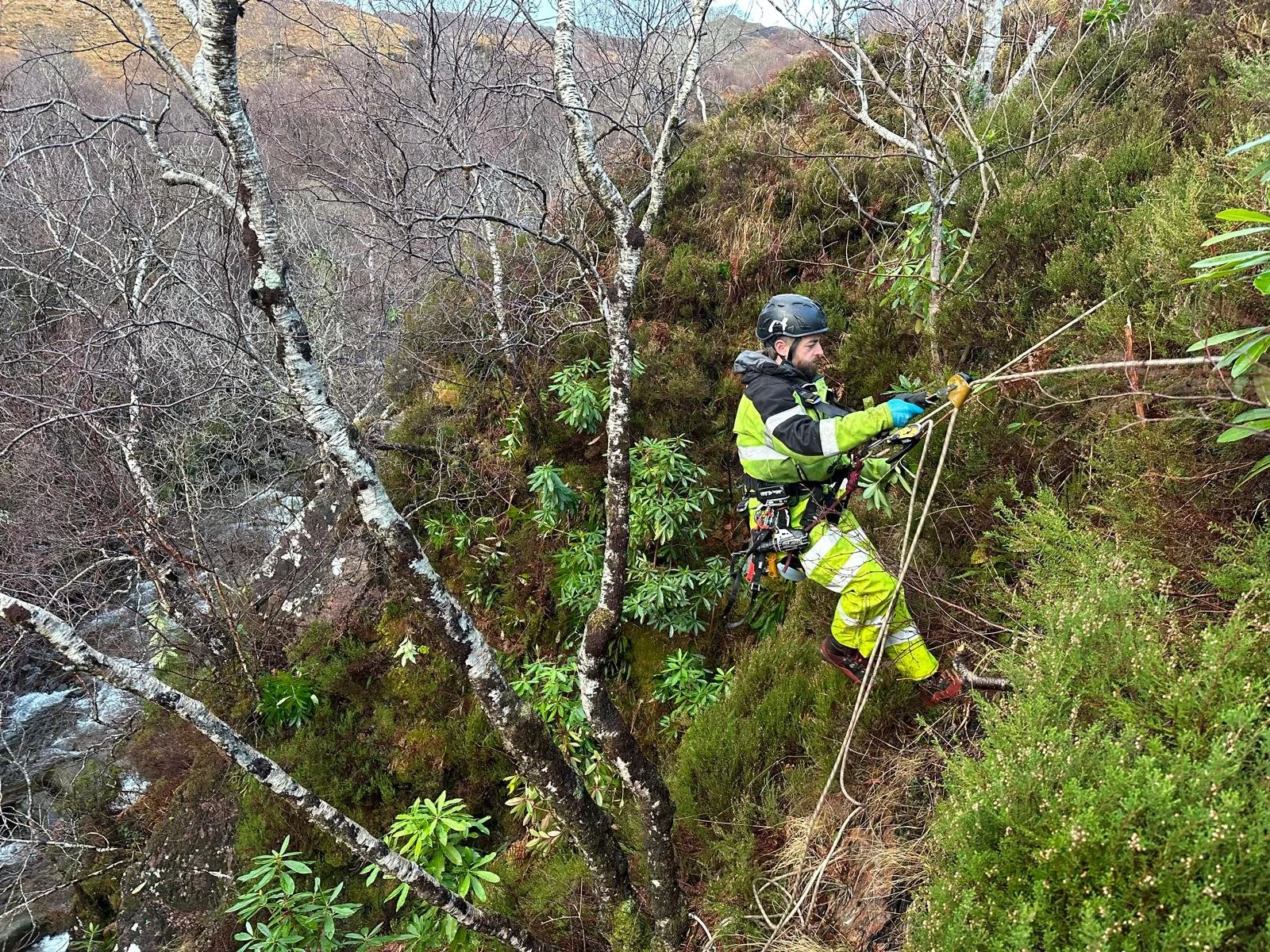
Using ropes to access rhododendron at Inveraligin. Credit Woodland Trust Scotland
What’s next for the ASR’s Focus Projects?
All 12 of ASR’s Focus Projects are in development or early stages of delivery, and all are projects that will last many years, if not decades. The Rainforest Restoration Fund has come at a crucial time to enable these projects to move forward, especially when finding funding is particularly challenging.
If we are to achieve full ecosystem restoration of Scotland’s rainforest, continued public funding will be essential, alongside potential new funding mechanisms to provide long-term, substantial funding. You can find out more about what the ASR is doing to find future funding here: https://savingscotlandsrainforest.org.uk/fundraising
The full list of RRF-funded projects
Sunart Rainforest Project – (Sunart Community Company)
Nevis Nature Network – Rainforest Restoration Project (Nevis Landscape Partnership)
Saving Argyll’s Rainforest – West Cowal Community Deer Larder (Argyll and the Isles Coast and Countryside Trust)
Appin Rainforest Regeneration Project – (Appin Community Development Trust)
Glen Torridon Partnership – Phase 1 (The Woodland Trust)
South Assynt Collaboration Project – Phase 1 (The Woodland Trust)
Regenerating Craignish Rainforest Habitats – Phase 1 (The Woodland Trust)
Scoping out a new Fund for Scotland’s Rainforest – (Plantlife Scotland, on behalf of the Alliance for Scotland’s Rainforest)
Saving Morvern’s Rainforest – (RSPB Scotland)
Restoring Stuckindroin – (Loch Lomond Rainforest) (RSPB Scotland, on behalf of Loch Lomond Rainforest)
Rainforest Restoration Fund
None of this work would have been possible without generous support from the Scottish Government Rainforest Restoration Fund, managed by NatureScot.
