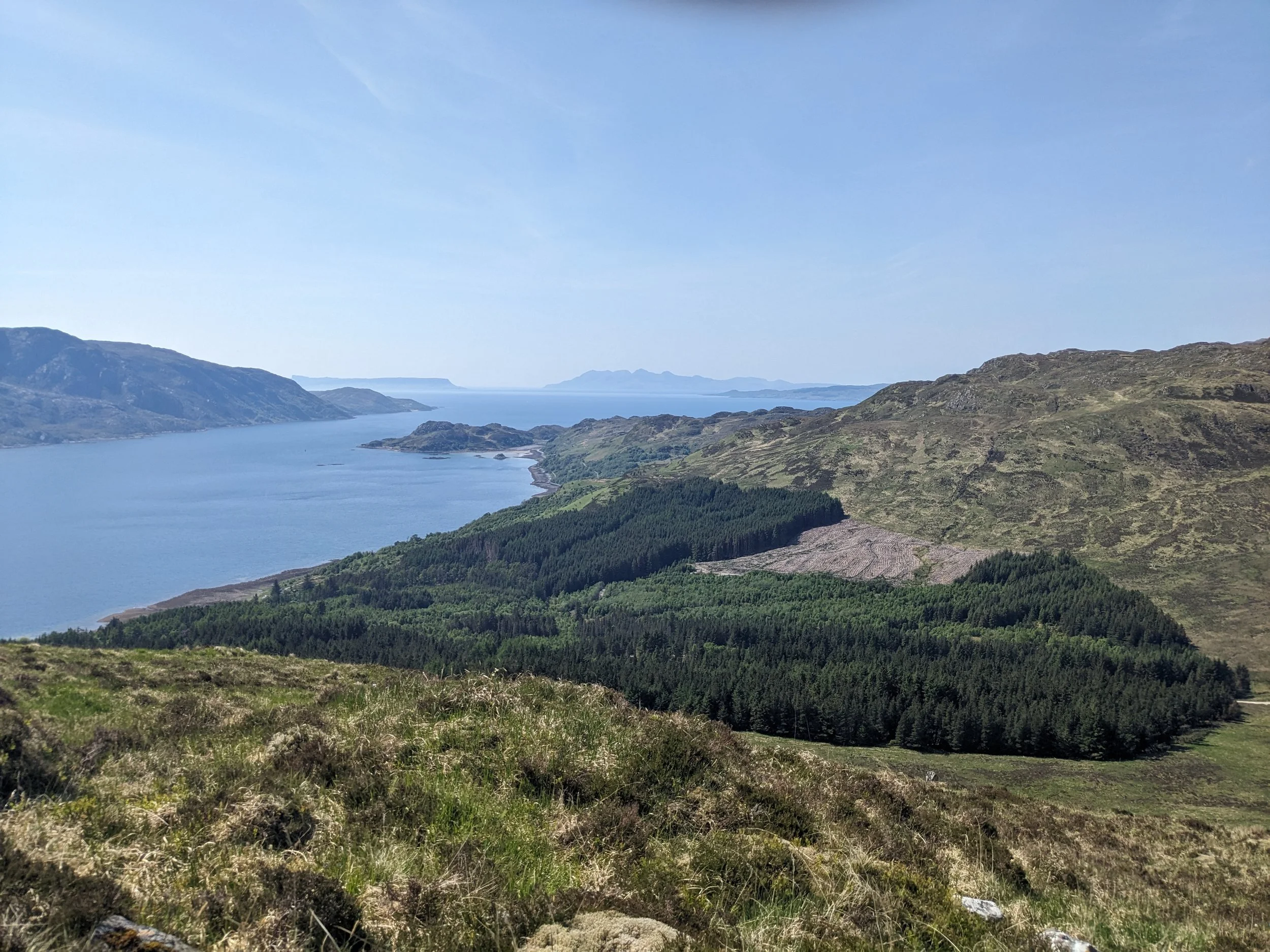
Credit: Knoydart Forest Trust
The Knoydart peninsula is one of Scotland's most celebrated landscapes, home to rugged mountains, ancient woodlands and since 1999 a thriving, community-owned estate. Over the past two years, the Knoydart Foundation and Knoydart Forest Trust have been exploring an ambitious question: how can investment in nature restoration also create lasting benefits for the people who live and work in rural communities? Richard Williams explains more.
Perched between two sea lochs and accessible only by boat or on foot, Knoydart is one of the UK's most remote mainland communities. In 1999, the local community took ownership of 7,000 hectares of the peninsula through a community buyout, and have spent the decades since shaping the future of their land and natural environment.
The Knoydart Credit Project grew from a desire to explore how investment in nature restoration on the peninsula could help support both the landscape and the community that depends on it. Could there be new opportunities to fund habitat recovery, strengthen local resilience and ensure that the benefits of environmental stewardship remain in local hands? And how might this be funded in an increasingly competitive and uncertain financial environment?
This work was all made possible with a FIRNS (the Facility for Investment Ready Nature in Scotland) grant from the National Lottery Heritage Fund.
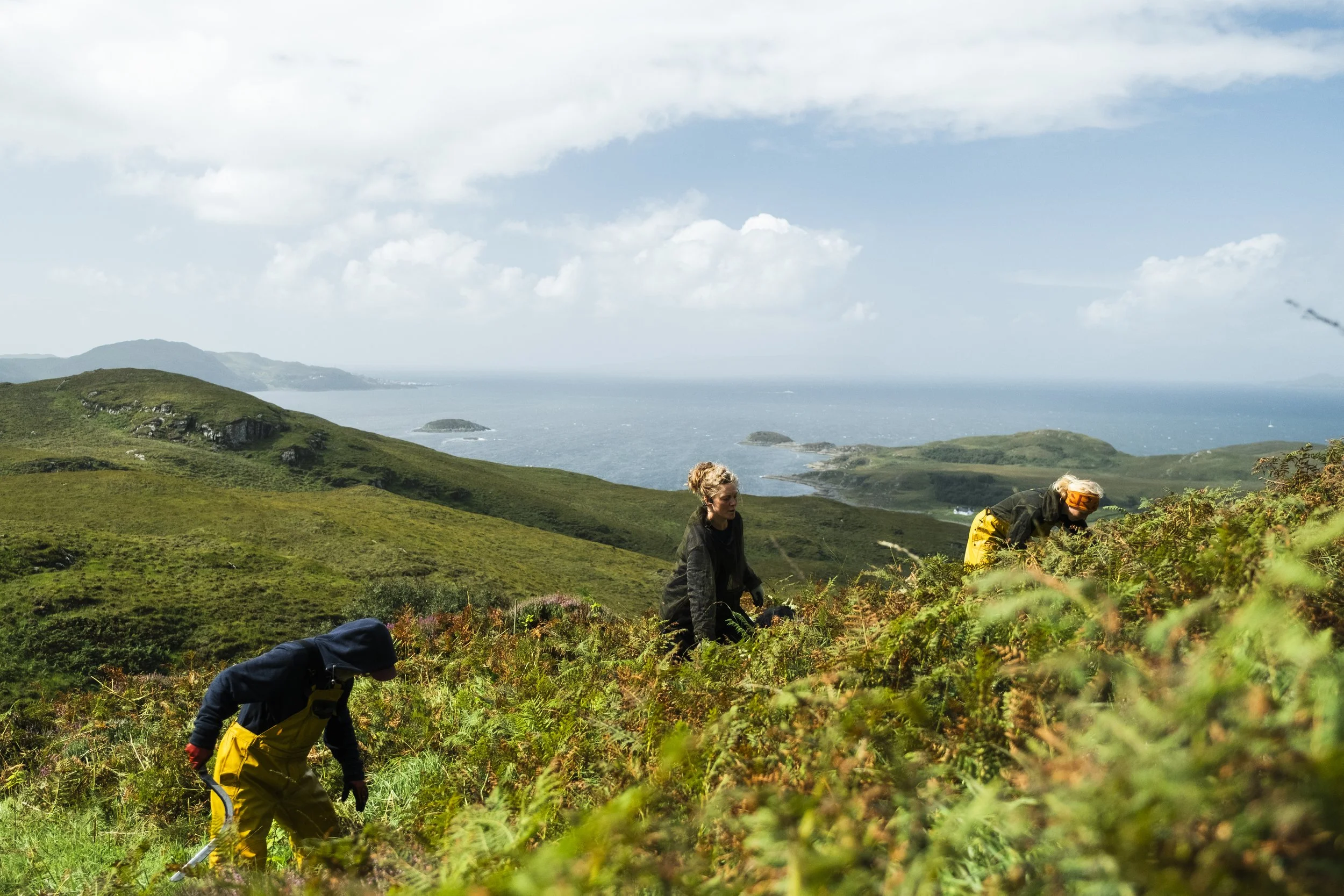
Credit Hannah Shaw
A new approach to financing environmental recovery
The Knoydart Credit Project was led by a partnership of the Knoydart Foundation and Knoydart Forest Trust, with support from external advisers Trees for Life and Zulu (now Zora) Ecosystems. It was set up to investigate a new approach to financing environmental recovery and community regeneration.
Working with specialist partners, the project explored the potential for a place-based "Knoydart Credit" that would recognise not only improvements to habitats, biodiversity and carbon storage, but also the social value generated through local stewardship, skills development and community wellbeing.
While the project has ultimately been about understanding the opportunities and challenges of emerging natural capital markets, local priorities were just as important. Through community engagement, ecological surveys and the development of a new land management plan, the project has helped build a clearer picture of how nature recovery can support a resilient future for Knoydart, ensuring that both environmental and community benefits remain at the heart of decision-making.
The results make for interesting reading, representing not just a set of plans and actions, but a growing body of insight that could help shape the future of Scotland’s rainforest and beyond.
Can natural capital work for communities?
The answer, so far, is complex.
Natural capital markets are evolving rapidly, with uncertainty around standards, metrics and long-term demand. At the same time, aligning investment with community values, and ensuring risks are manageable, remains a challenge.
What the project highlights is that there is no single solution. Instead, it points towards a blended funding approach, combining public grants, private investment, and income from land management activities.
For rainforest restoration, this lesson is key: funding models need to be flexible, resilient, and rooted in local priorities.
Credit Hannah Shaw
A sense of place
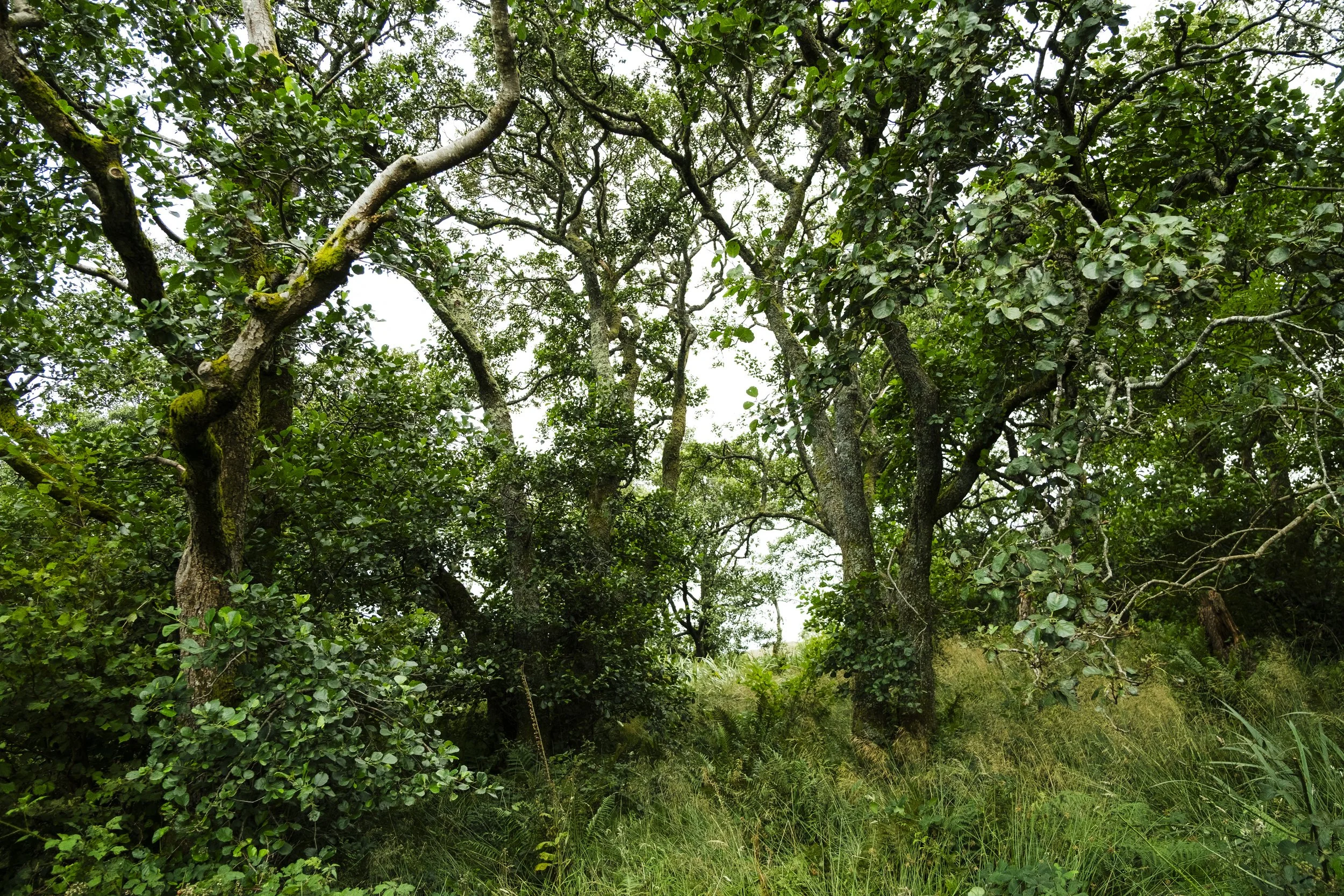
One of the project’s most important achievements has been to improve understanding and knowledge of Knoydart’s landscapes and the regeneration potential.
A landscape-scale Wild Trees Survey mapped the condition and regeneration potential of native woodland across the peninsula, creating a crucial baseline for future work. Plans have also been advanced for large-scale peatland restoration, with around 840 hectares identified for restoration interventions over the coming years.
Together, these initiatives demonstrate the scale of opportunity for nature recovery.
A community shaping its landscape
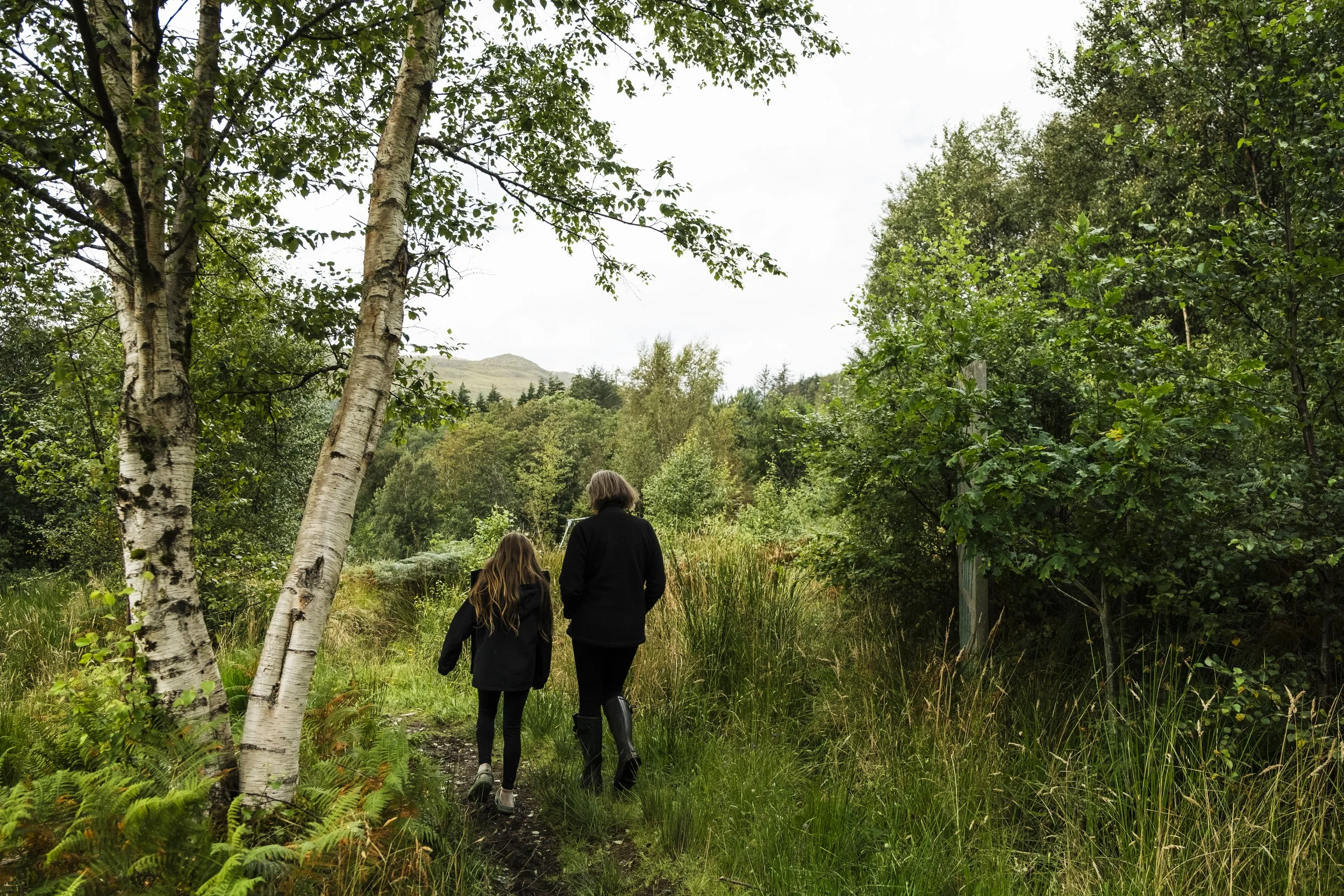
Local community involvement has been central to this project.
Through workshops, surveys, and events, local voices helped shape a framework for the future, balancing ecological regeneration potential with economic realities and community priorities. As one workshop participant told us, the work felt like: “a real adventure… learning how we can all play a part in regenerating our landscape”.
A key principle of the Knoydart approach has also been about retaining benefits within the local community. Community members were trained in ecological survey techniques and opportunities for local contractors to deliver future restoration work have been identified.
This investment in people is just as important as investment in habitats. It ensures that restoration is not a one-off intervention, but something that can be sustained and led locally over the long term, ensuring the highest standards of stewardship and project maintenance.
These factors are essential for Scotland’s rainforest too; long-term success depends on local stewardship and shared ownership.
Partnerships and collaboration
Another strong message from the project has been the importance of working together.
From collaboration with neighbouring landowners on deer management to partnerships with national organisations and funders, the project shows how shared challenges can be tackled collectively.
This kind of collaboration is vital for rainforest landscapes, which often span multiple ownerships and require coordinated action to thrive.
Credit Hannah Shaw
Looking ahead
The Knoydart Credit Project may have reached the end of its NLHF-funded development phase, but the work continues, with the following steps underway:
Delivering the first of three phases of peatland restoration work
Expanding native woodland habitat through a combination of tree planting and targeted deer management
Continuing to build local skills and community engagement
Testing funding approaches and engaging potential investors
Strengthening partnerships across Scotland’s growing nature finance community.
What this means for Scotland’s rainforest
Knoydart’s experience offers valuable lessons for the wider rainforest movement:
Community leadership is essential for lasting change
Strong baseline data underpins effective restoration
Skills and local capacity must be built alongside habitats
Funding models need to be diverse and adaptable
Partnerships can help unlock scale and impact, rebalancing risk and identifying new opportunities
As Scotland works to restore and expand its temperate rainforests, projects like this show that success lies not just in managing deer or removing rhododendrons, but in building the systems, relationships and skill sets, that make this work possible.
You can find out more about the project, and read the evaluation, here: The Knoydart Credit Documents - Knoydart Foundation
